

A showreel lasts two minutes. A wedding lasts a lifetime in the memory of the people who lived it, and somewhere between those two durations sits the real question every couple planning a high-end celebration eventually has to face: how do you actually judge the person you’re trusting with that record? The instinct is to watch the highlight clip, feel a flicker of emotion, and decide. But a well-cut reel is built to persuade in ninety seconds, and persuasion is a different skill than mastery. The couples who end up with a wedding video that genuinely reflects who they are tend to be the ones who looked past the trailer and asked harder questions of the portfolio behind it. That closer reading starts with territory.

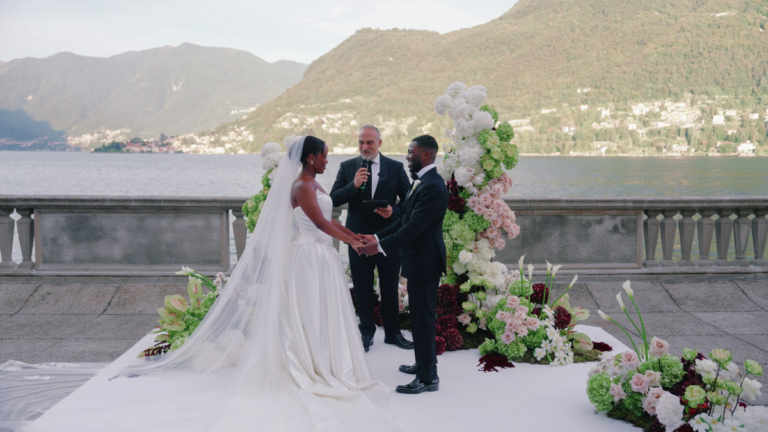
A local videographer who has spent years working across a particular region, who knows its light at four in the afternoon in June and where a lakeside terrace catches the last of the sun, brings something a stranger to the place cannot fabricate. It continues with formation: the courses studied, the craft sharpened deliberately rather than picked up by accident, because a camera in skilled hands and a camera in trained hands produce very different films. It extends into recognition, the quiet signals of standing within a professional community that couples rarely think to check but that tell you how a videographer is regarded by people who understand the work from the inside. And beneath all of it sits something harder to list on a website: an eye for light, and an eye for people. The ability to read a room, a face, a shift in mood, and translate it into a touching wedding film. What follows is a way of looking at a portfolio that goes beyond the reel and toward the person actually behind the lens.
Roots in the Territory
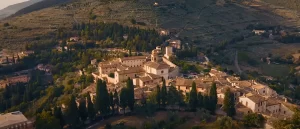
Italy photographs beautifully from almost any angle, which is precisely why so many couples assume any competent professional can capture it well. But there’s a meaningful difference between someone filming a place for the first time and someone who has spent years learning its rhythms, and that difference shows up in the finished wedding film long before anyone can quite articulate why. A videographer who has worked repeatedly in the same province, sometimes at the very same villa or estate, arrives already knowing which room holds the afternoon glow and which loses it by four, where the garden opens onto a view worth building a scene around, and which corner of the property nobody thinks to mention because it isn’t in the brochure.

That familiarity rarely announces itself. It surfaces instead as ease: fewer wasted minutes scouting during a schedule that has none to spare, fewer surprises when the coordinator swaps the ceremony location an hour before guests arrive because of wind or rain. Someone who has already stood in that courtyard a dozen times knows instinctively where to position the camera as the light shifts through the ceremony, how the stone facades hold color at sunset, which path leads to the shot everyone else misses because they never had reason to wander that far.
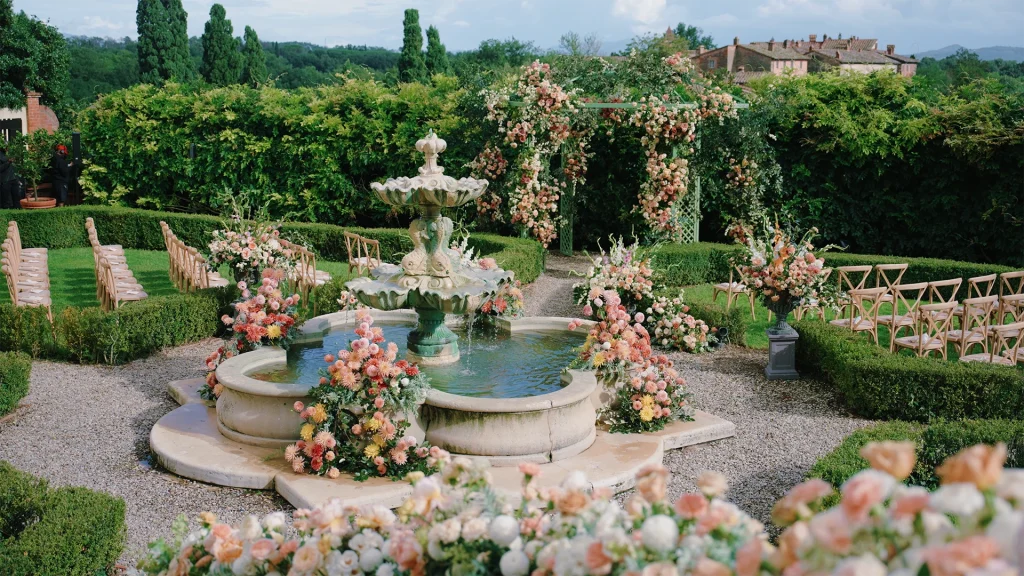
There’s also the matter of relationships built over seasons rather than assembled for a single weekend. An italian wedding videographer tends to know the planner, has worked alongside the same florists and venue managers before, and understands the unwritten choreography of a property that only repeated presence teaches. None of this replaces talent, but it sharpens it considerably. The resulting wedding film carries a particular groundedness, a sense that the place itself was understood rather than simply visited, and for couples marrying somewhere far from home, that quiet familiarity often makes the difference between footage that looks like Italy and a film that feels like it.
A Training That Shows
There’s a particular kind of shot that looks effortless and is anything but: the camera drifting past a doorway at exactly the pace that keeps the bride’s silhouette in frame, or a wide take that holds still just long enough for the eye to settle before cutting away. Nobody watching notices the calculation behind it, which is rather the point. That invisibility is usually the clearest evidence of real training, the kind acquired through years of studying how image and movement carry emotion rather than through instinct alone.

Most videographers working at this level didn’t simply pick up a camera and start filming weddings. Many have gone through dedicated coursework in editing, composition, or cinematography, learning principles that predate the wedding industry entirely and were built instead for narrative film. Others keep sharpening that foundation through continued involvement with professional spaces where technique gets tested, debated, and refined among peers who take the craft as seriously as any other branch of visual storytelling. This kind of ongoing formation rarely gets mentioned to clients, yet it shapes every choice made behind the camera, from how a scene is lit to how a sequence is paced in the edit.
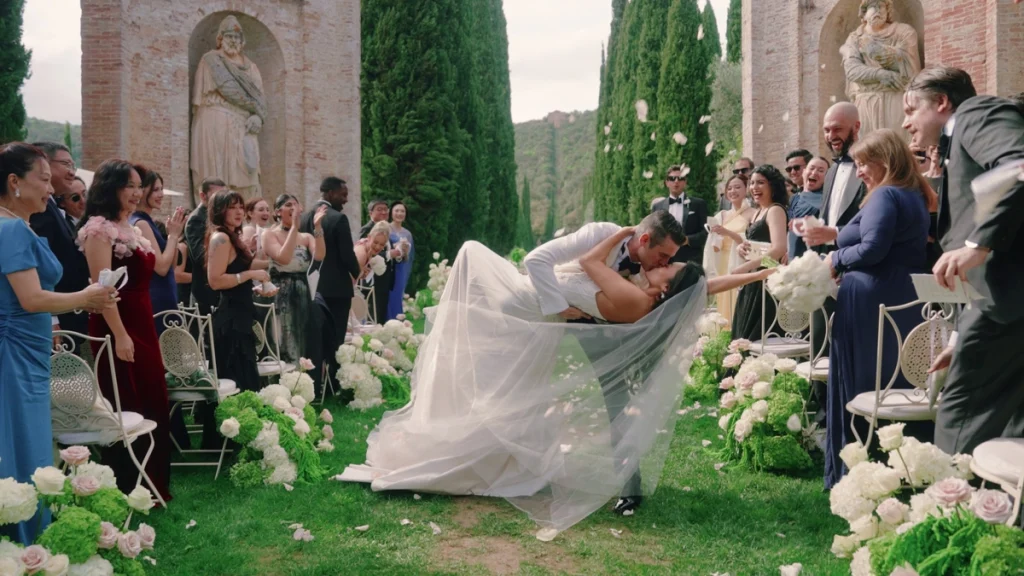
The results tend to be legible even to someone with no technical vocabulary for what they’re seeing. A wedding film built on that kind of grounding has rhythm rather than a string of pretty moments strung together. Cuts land where they should. Light gets read and worked with rather than merely captured. There’s a coherence to the visual language across an entire film, a sense that every frame was placed rather than found. Couples evaluating a portfolio would do well to ask what stands behind the aesthetic they’re admiring, because the polish that draws them in is rarely accidental. It’s the residue of study, repetition, and a director’s instinct for what a moment actually needs.
Recognition That Speaks for Itself
Awards in this field rarely mean what an outsider assumes they mean. A trophy on a shelf says little on its own, but the path that leads there often says quite a lot. When a videographer keeps appearing at industry gatherings, not simply attending but invited to judge a competition or speak on a panel about editing technique, that pattern reveals something a showreel cannot: sustained respect from people who understand exactly how difficult the work is. This kind of standing gets built slowly, through years of films submitted, screened, and measured against the output of other professionals working at a comparable level. Peers notice consistency long before the public does. They notice whether a wedding film held its composition across a difficult location, whether the pacing stayed sharp through a three-day celebration, whether the visual storytelling matured from one project to the next rather than repeating the same formula.

Invitations to sit on a jury or lead a workshop tend to follow that kind of noticed consistency, because organizers want people whose judgment other professionals will trust. There’s also a quieter form of recognition worth watching for: mentions from other vendors, photographers, planners, venue managers, who cross paths with dozens of videographers a year and know precisely who handles pressure well and who doesn’t. That reputation circulates without ever appearing on a website, yet it often proves more reliable than any published accolade. None of this should be read as a scoreboard. A couple comparing portfolios isn’t meant to count trophies but to notice whether a name keeps surfacing in contexts where expertise actually gets tested, among colleagues rather than clients. That pattern, more than any single award, points toward someone whose command of the camera and whose instinct for a wedding’s rhythm have been recognized by the people least inclined to hand out praise they don’t mean.
Read also: Why the Wedding Videographer You Choose Matters More Than You Think
An Eye Trained Elsewhere
Some of the strongest wedding films come from people who spent years pointing a camera at things that had nothing to do with weddings at all. A background in photography teaches patience with light long before it teaches anything about ceremonies or receptions. Time spent on film sets, even in modest roles, teaches something else entirely: how a director thinks about coverage, why certain angles get chosen over others, how a scene builds toward its emotional peak rather than simply documenting that it happened. That kind of parallel experience tends to surface in ways clients feel without naming. A videographer who once shot portraits professionally often has an instinct for how a face reads against different kinds of light, knowing when to let shadow do some of the work rather than flattening a moment with excess brightness. Someone who worked in narrative cinema usually understands pacing on a level that goes beyond instinct, sensing how long a shot needs to breathe before a cut feels earned rather than abrupt.

These are not skills unique to weddings. They belong to a much older visual tradition, one this kind of professional has simply learned to apply to a different subject. The value here isn’t versatility for its own sake. It’s depth. A wedding videographer who has only ever filmed weddings tends to repeat the same handful of setups because that’s the extent of their reference points. Someone who has worked across disciplines brings a wider vocabulary to draw from, recognizing a compositional opportunity or an unusual angle because they’ve seen it solve a problem somewhere else first. That range shows up in the finished film as texture, as a sense that the person behind the camera isn’t simply covering an event but actually directing how it gets seen. Couples reviewing a portfolio would do well to ask what came before the weddings, because that answer often explains everything about the images that came after.
Instruments, Not Effects
Technology in this field can go one of two ways. It can become spectacle, a way of announcing capability rather than serving the story, or it can disappear entirely into the film, felt rather than noticed. The difference lies not in what equipment a videographer owns but in why they reach for it, and that distinction separates a genuinely accomplished professional from someone simply chasing trends.
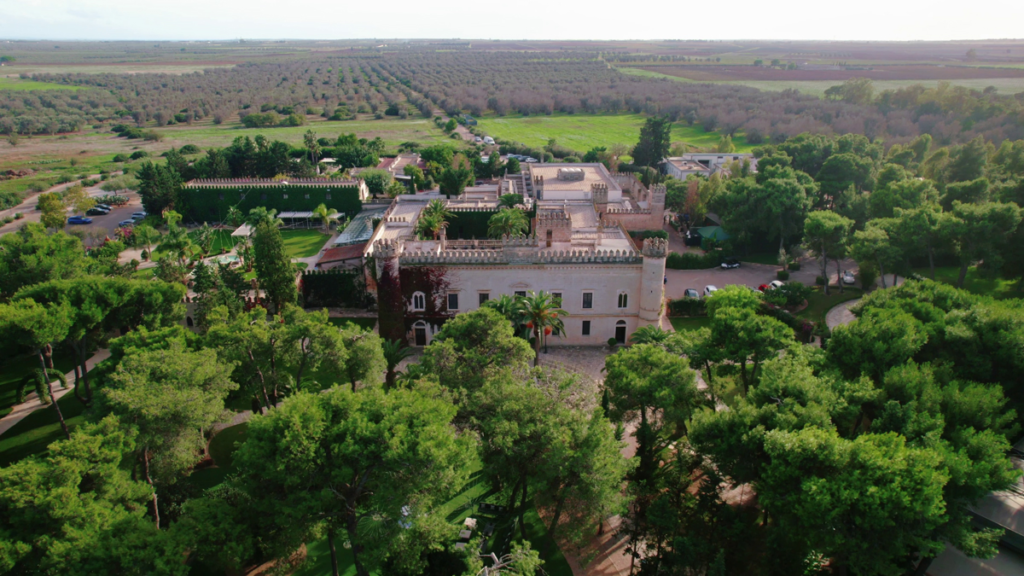
Take the drone. In careless hands it produces the same aerial sweep at every wedding, a gesture that impresses for a few seconds and then means nothing because it wasn’t chosen for a particular reason. In the hands of someone thinking like a director, that same shot might open a film by establishing scale, showing a Tuscan estate the way its owners actually experience it, or close a sequence by pulling back at precisely the moment the couple needs room to exist within a larger landscape rather than dominate the frame. The tool hasn’t changed. The intention behind it has.
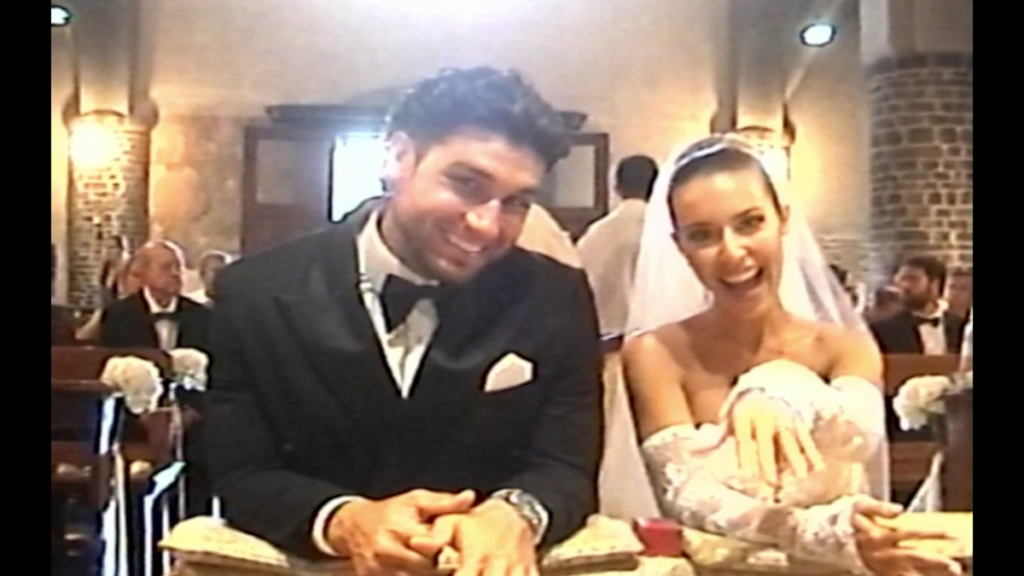
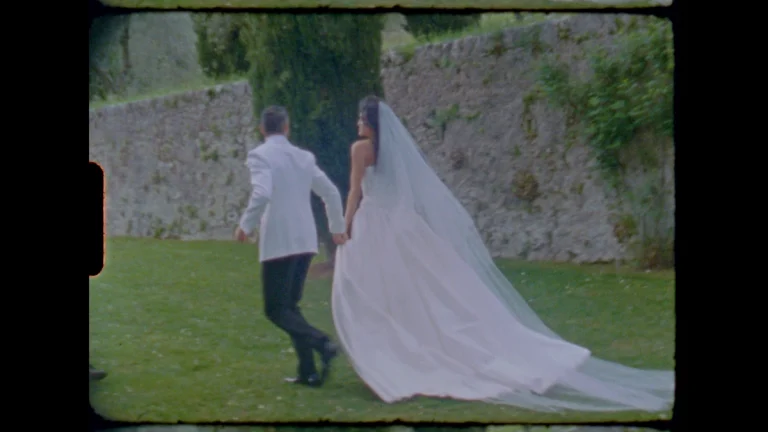
The same logic applies to analog formats. VHS grain or Super8‘s soft, flickering warmth aren’t nostalgic gimmicks when used well. They’re textures chosen because a particular moment, a quiet exchange between grandparents or a hurried dance floor, benefits from the imperfection and intimacy those formats carry, qualities no amount of digital sharpness can replicate. Deployed thoughtfully, they add another register to the visual language of the film. Deployed carelessly, they read as a filter slapped over footage that never earned it. Couples reading a portfolio should watch for that judgment more than the technology itself. Does every wedding film sound and look the same regardless of couple, venue, or season, or does the professional adapt their tools to what a given day actually calls for? That restraint, knowing when a technique serves the story and when it simply performs skill, tends to distinguish videographers who direct from those who merely operate equipment.
Read also: VHS Wedding Videos: Why Couples Are Falling in Love with the Ugliest Format in History
The Experience That Shows in the Details
Rain rarely announces itself politely. It arrives during the vows, or forces a first dance indoors an hour before anyone expected, and how a videographer responds in that moment says more about their craft than any planned sequence ever could. Years of standing through these disruptions teach something no course can: a kind of calm that guests and couples absorb without realizing it, simply because the person holding the camera never seems rattled. That composure matters more than it first appears. A camera operator who tenses up when a schedule collapses tends to transmit that tension outward, and people in front of a lens are remarkably good at sensing discomfort even when they can’t name its source. A seasoned videographer does the opposite. They adjust quietly, move the ceremony’s coverage under cover without fuss, find new light in a room nobody had considered, and keep the day moving with enough ease that the couple barely registers anything went wrong.

That steadiness becomes part of what the guests feel, and what eventually shows up in the film itself. There’s a second, quieter skill that experience sharpens just as much: knowing how to put people at ease in front of a lens they’re not used to facing. A camera can make even confident people stiffen slightly, aware suddenly of how they’re standing or where to look. Someone who has spent years reading that discomfort learns how to dissolve it, through a joke, a bit of distance, simply staying out of the way until a moment unfolds on its own terms. The couples and guests who forget the camera is there are the ones who end up looking natural, and most like themselves on screen. That’s ultimately what separates a technically proficient wedding film from one that feels alive. Confidence earned through repetition produces subjects who relax, and relaxed subjects produce the kind of unguarded, honest footage no amount of planning can force into being.
Read also: Does the Perfect Wedding Exist? Tips for Managing Challenges and Surprises
Different Cultures, the Same Attention
A ceremony rooted in one tradition rarely resembles a ceremony rooted in another, and a videographer accustomed to filming only one kind of wedding will often miss what matters most when the format changes. An Indian wedding may unfold across several days, each with its own rituals, colors, and meanings that build toward the final celebration. A Jewish ceremony carries symbolic weight in specific gestures, the breaking of a glass, the circling beneath the chuppah, that mean nothing to someone unfamiliar with their significance and everything to the family watching. A couple blending two cultures within a single celebration adds another layer entirely, moments that must be understood, not merely filmed as they happen.

Experience across these different contexts sharpens something valuable: the ability to recognize what deserves attention before it passes. Someone who has filmed weddings spanning diverse cultures develops an instinct for anticipating a ritual’s emotional peak rather than reacting to it a beat too late, for reading which relative’s expression will matter most when a particular blessing is spoken, for understanding when tradition calls for restraint behind the camera and when it calls for closeness. That kind of literacy cannot be improvised on the spot. It comes from having stood inside enough different ceremonies to know that meaning lives in details an outsider would walk straight past.
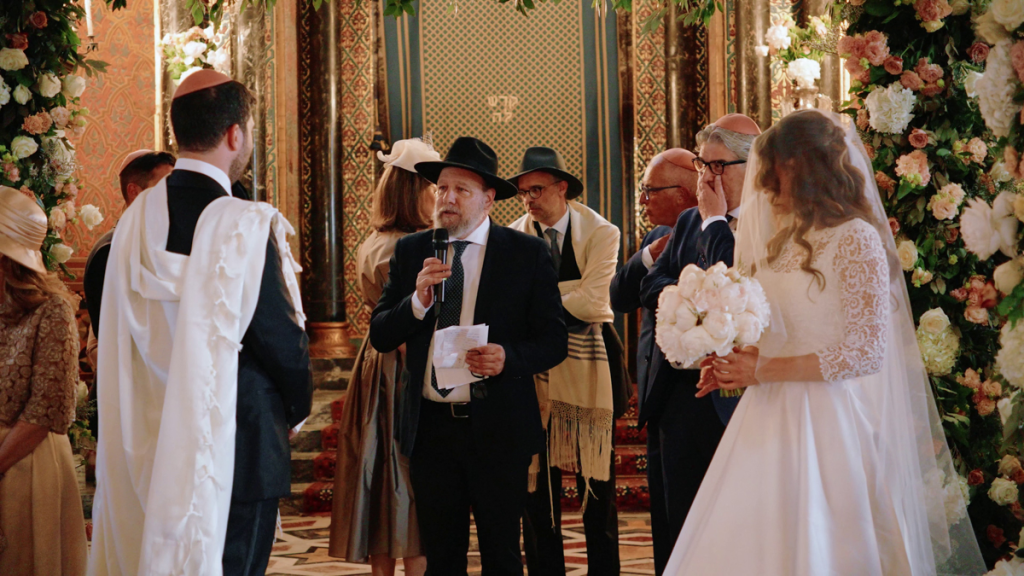
For couples marrying across cultures, or bringing guests from several countries and faiths into one celebration, this matters considerably. A videographer’s adaptability signals something beyond technical range. It suggests genuine curiosity about the people being filmed, a willingness to study a tradition rather than approximate it. The resulting wedding film reflects that care in ways guests may not articulate but will certainly feel, recognizing their own customs treated not as spectacle but as something worth understanding properly.
Watching the Whole Film, Not Just the Trailer
Every showreel is, by design, a highlight reel of a videographer’s best three minutes across dozens of weddings. That makes it almost useless for judging what a couple actually needs to know: how this person handles an entire day, start to finish, when nothing is being curated for maximum impact. The real test lies in asking to see two or three complete wedding films rather than settling for the trailer, because pacing, restraint, and consistency only reveal themselves across forty minutes, not ninety seconds. Watching a full film shows whether the visual language holds together from the first shot to the last, or whether the strongest moments were simply rescued in the edit while everything around them sagged.
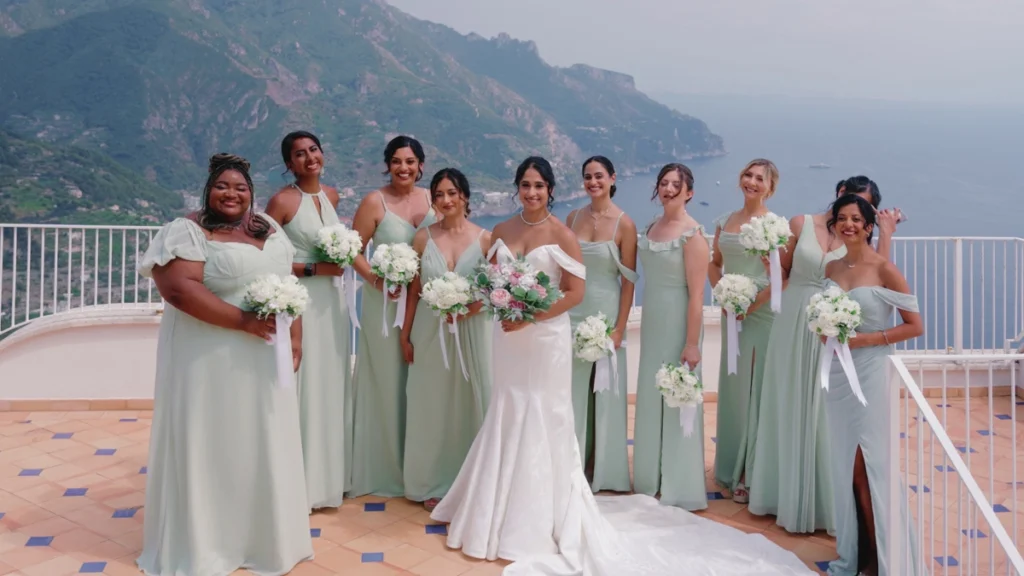
It reveals how the videographer handles a wedding shot in harsh midday sun versus one filmed under December’s low, gray light, whether their eye adapts or whether every film starts to look interchangeable regardless of season or setting. A trailer can hide unevenness. A complete film cannot. Once that homework is done, a conversation still matters more than any portfolio. A call gives couples the chance to hear how someone talks about their own work, whether they discuss composition and light with genuine understanding or fall back on vague enthusiasm, and whether their sensibility actually matches the atmosphere the couple is hoping to create.

It’s often in that exchange, more than in any reel, that couples sense whether they’re speaking with someone who will direct their wedding day with intention or simply document it as it unfolds. Taken together, these criteria turn a search that can feel overwhelming into something far more manageable: territory, training, recognition, range, technical judgment, composure under pressure, cultural fluency, and finally the discipline to watch the full work before deciding. Applied with patience, they tend to lead couples toward the person whose camera will actually understand the story worth telling.